
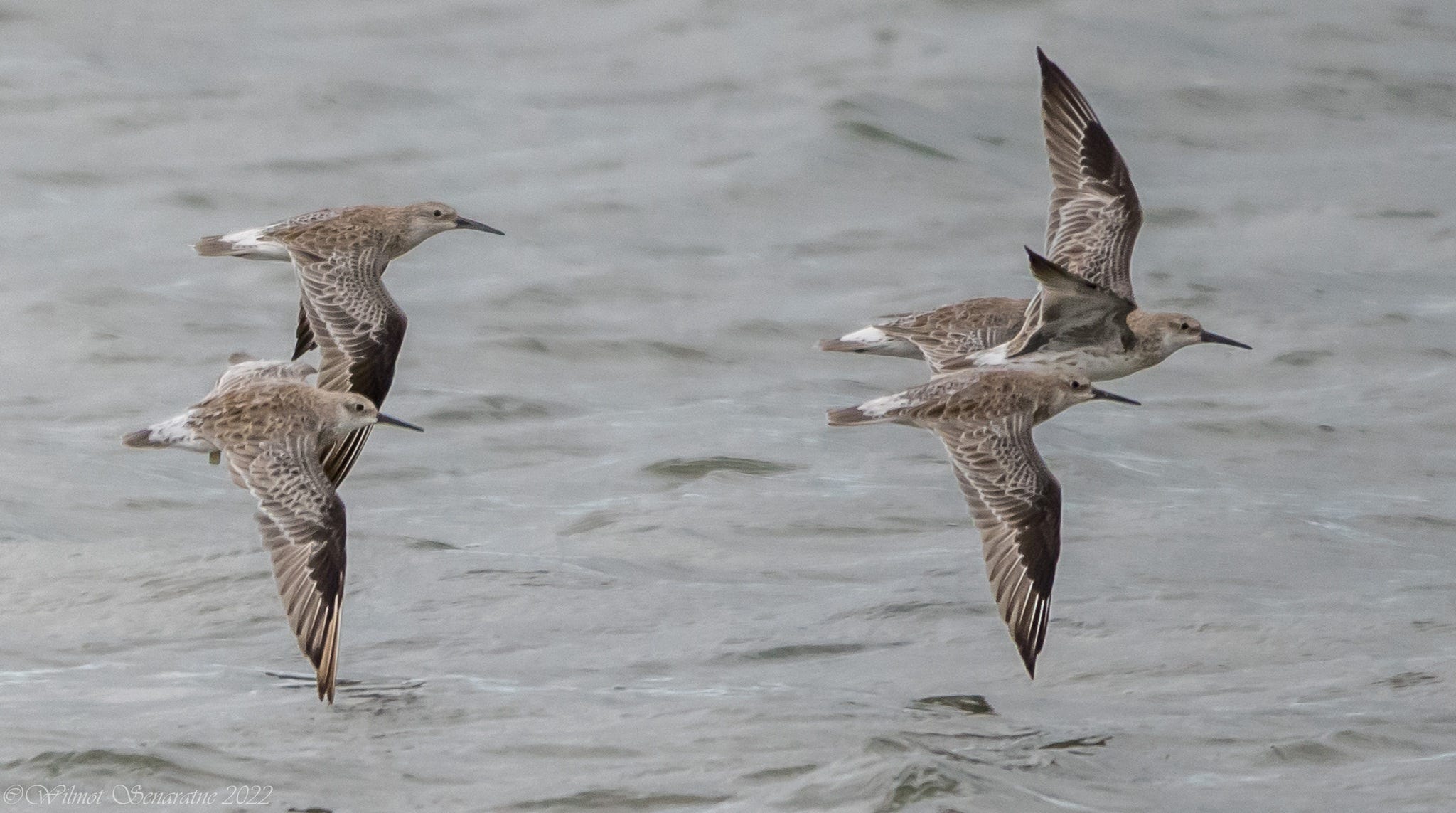
Imagine a bird so small, yet so enduring, that it somehow bridges the vast, empty spaces of the ocean and the frozen tundra, covering distances that would break any human spirit. The Great Knot is that miracle, a shorebird that migrates along the East Asian-Australasian Flyway, traveling thousands of miles to fulfill a biological imperative that has survived for millennia. This journey is not merely a flight path; it is a precise, life-or-death navigation system that relies on a fragile network of wetlands acting as fuel stations in a world increasingly hostile to its existence.
The core of their survival strategy lies in the Key Biodiversity Areas they stop at, particularly during their non-breeding season in places like the Wadden Sea and the shallow lagoons of East Asia. These specific locations are not chosen by chance; they are critical refuges where the birds can consume massive quantities of clams and other benthic invertebrates to build up the fat reserves necessary for their arduous trans-oceanic flights. Without these specific, high-quality habitats, the Great Knot simply cannot accumulate the energy density required to cross the vast stretches of open water that separate the breeding grounds in Siberia from the wintering grounds in Australia and New Zealand.
What makes this story particularly poignant is the sheer precariousness of these stopover sites. The Great Knot population has suffered catastrophic declines over the last few decades, a trend that mirrors the broader collapse of global wetland health. As coastal development encroaches, sand mining alters seabed structures, and climate change shifts the tides that bring food to shore, the few remaining sanctuaries are under siege. When a bird like the Great Knot loses a single key stopover site, it is not just a local tragedy; it is a systemic failure that can render the entire migration route impassable, effectively severing the link between generations.
Understanding the mechanics of this migration reveals a terrifying vulnerability in our modern world. We often view nature as a backdrop to human activity, a static landscape, but the Great Knot teaches us that migration is a dynamic, high-stakes logistics operation. The birds are essentially running a global supply chain, and the infrastructure they rely upon is crumbling beneath the weight of industrial expansion and ecological neglect. The data is clear: where the key sites vanish or degrade, the population crashes, proving that the health of the entire flyway is inextricably linked to the preservation of its most fragile nodes.
The urgency of this situation demands more than just observation; it requires a fundamental shift in how we value these coastal ecosystems. Protecting the Great Knot is not an act of sentimental conservation but a recognition of a complex biological reality that demands our immediate attention. These birds are the canaries in the coal mine of the Anthropocene, signaling that our management of the coastlines and oceans is fundamentally flawed. If we cannot secure the wetlands that allow a tiny shorebird to complete its epic journey, we are failing not just the Great Knot, but the intricate web of life that depends on the same fragile connections.